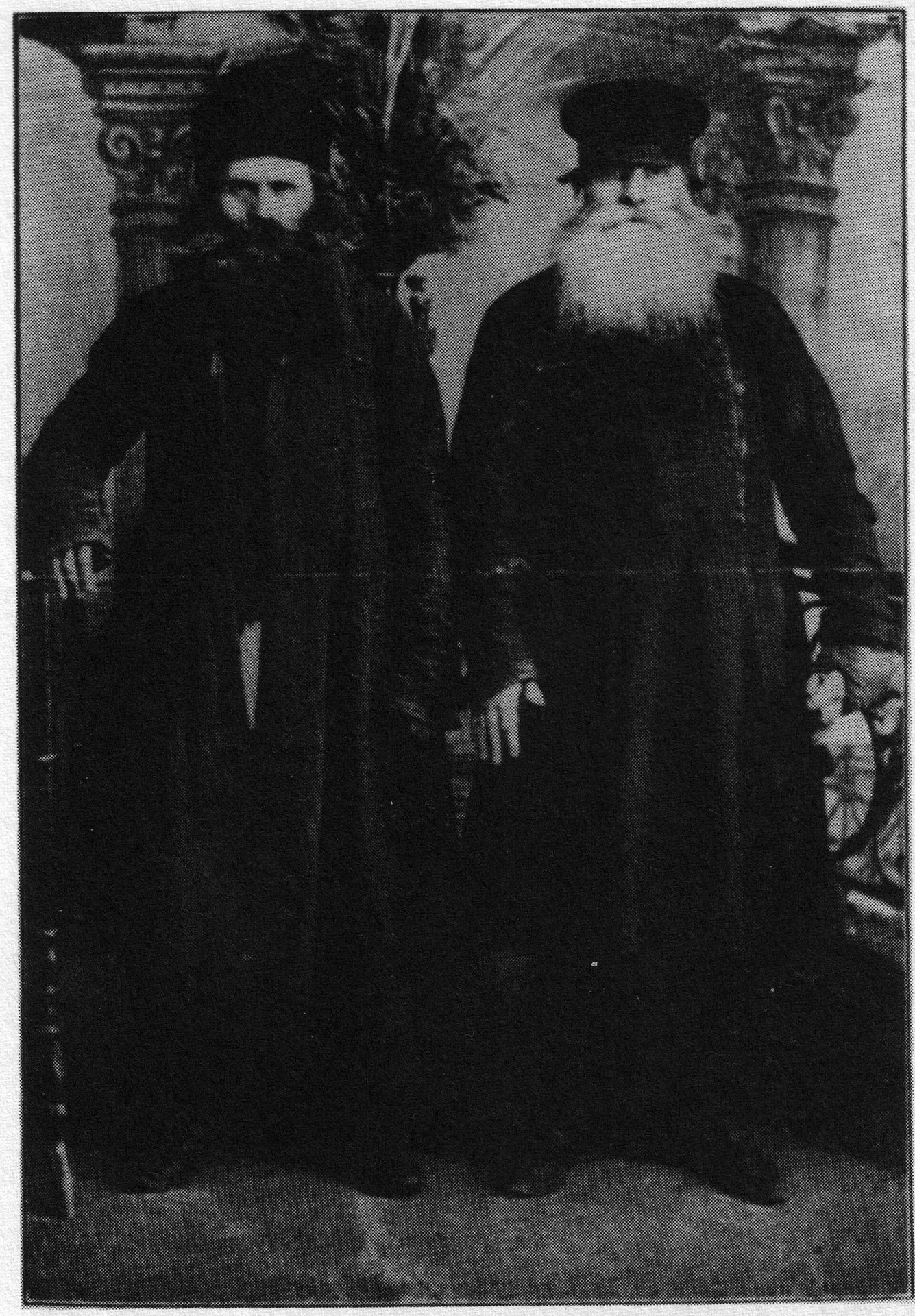
Who they were
Spiritual Christians of Baku
The Molokans are one of the currents of Russian “Spiritual Christians”. They rejected the official church, icons, priests and elaborate rites, recognising only the Scriptures. For this they were persecuted at home.
In the 19th century thousands of Molokans were exiled to the empire's borderlands, including the Caucasus. Thus they ended up in Azerbaijan and in Baku itself, where they formed their communities.
The Molokans had a name for being hard-working and honest: they kept gardens, raised livestock, traded in milk, butter and greens and worked as carters. Their quarter in central Baku gave the garden its folk name.
Spiritual Christians
The Molokans rejected church hierarchy, icons and rites, relying only on the Bible and personal faith.
Where the name comes from
By one account, the name “Molokans” comes from their drinking milk on fast days; by another, from the Molochnaya (“Milk”) river.
Resettlement to the Caucasus
In the 19th century the Molokans were exiled for their faith to the empire's borderlands; many settled in the South Caucasus and Azerbaijan.
Molokans in Baku
In the growing oil city of Baku the Molokans formed a community and settled part of the city centre.
Gardens and milk
The Molokans kept gardens and livestock and supplied the city with milk, butter and greens — hence their nickname.
Their mark on Baku
Almost no community remains, but the memory of the Molokans lives on in the garden's name and in the history of many-faced Baku.
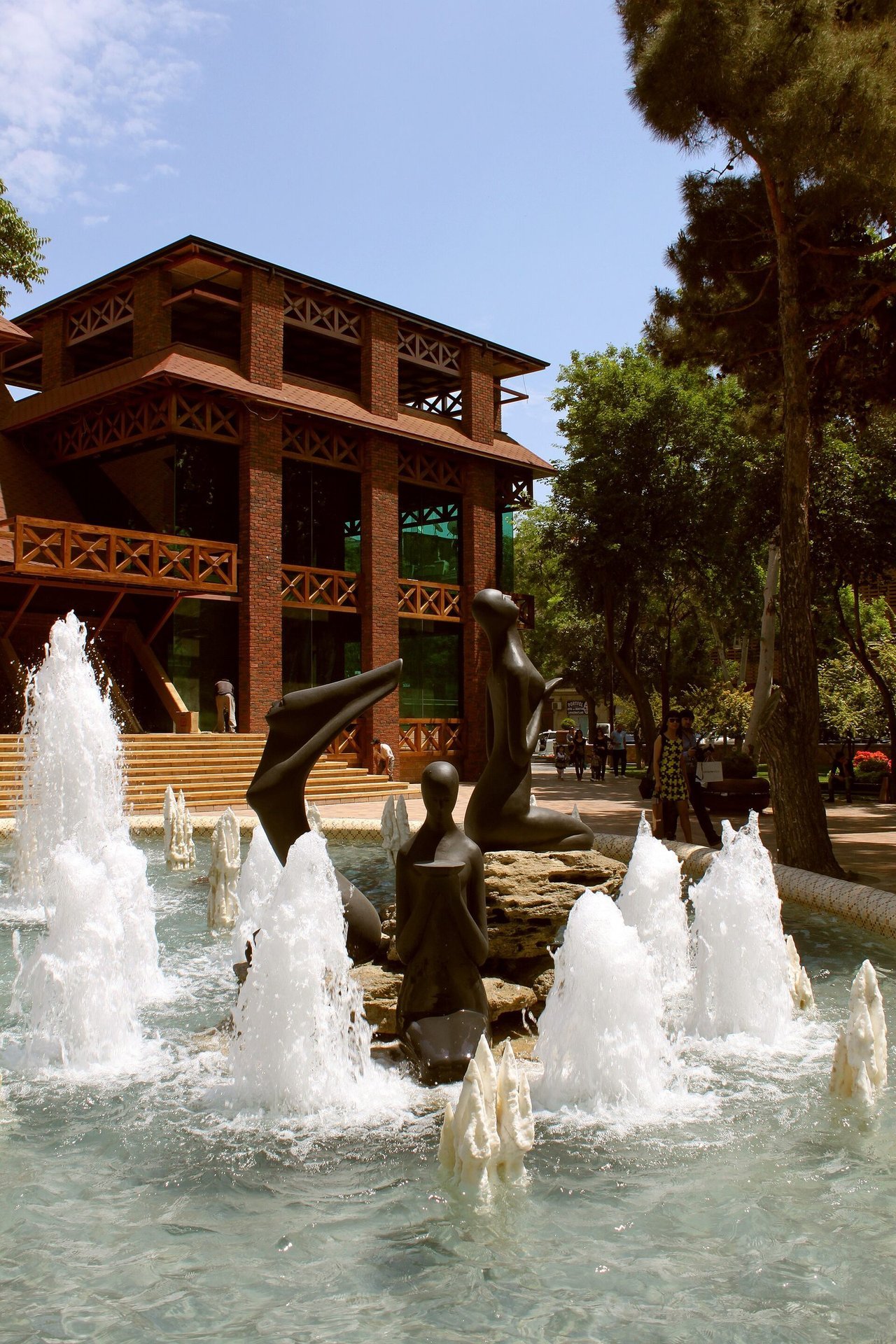 The garden of their name
The name remained
A memory in one word
Over time the Molokans dispersed and all but vanished from the city. But the name they left the garden proved stronger than the community itself: the people of Baku still say “Molokan”.
So a single folk name keeps the memory of a whole community that once made Baku more varied and richer.